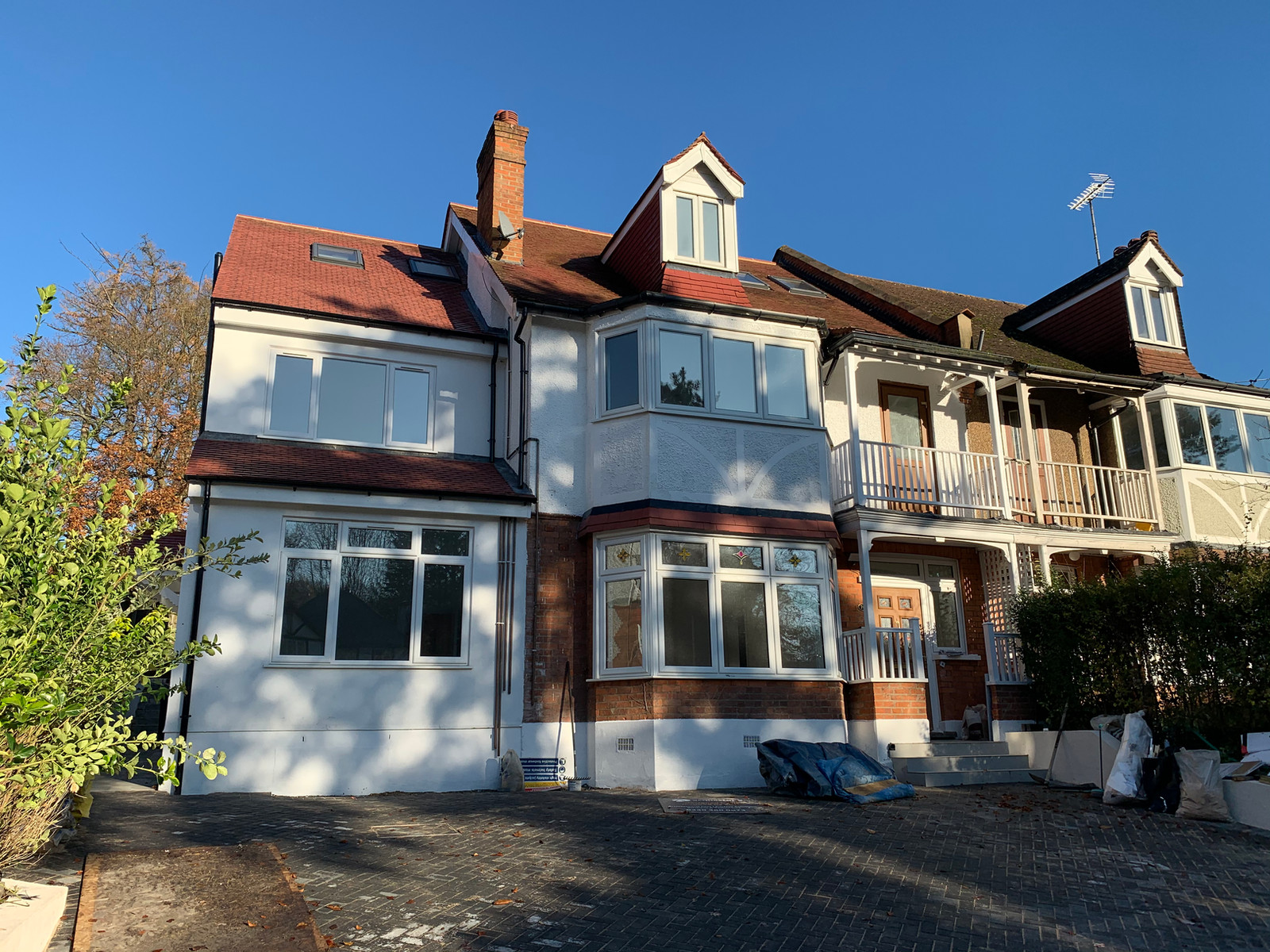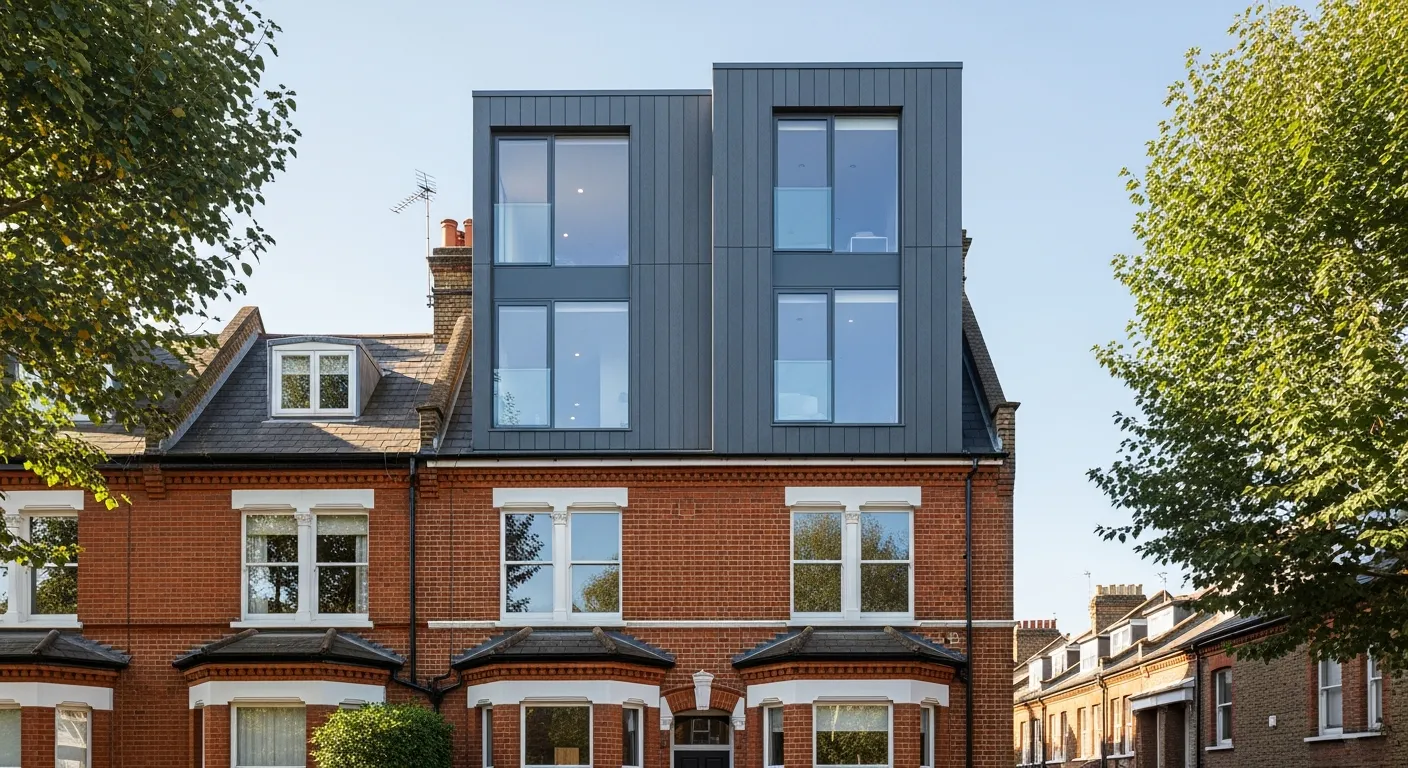
Dormer loft conversions remain the most popular way to add space and value to London homes. Whether it is a master suite or a home office, understanding the financial commitment is essential.
This guide provides a rapid breakdown of current market rates, professional fees, and structural requirements for 2026. Let's explore exactly what you can expect to pay for a high-quality dormer conversion in London and Surrey.
The 2026 Price Reality for London Homeowners
Navigating loft conversion cost London markets requires a clear understanding of regional pricing shifts. While national averages exist, London and Surrey operate on a distinct set of economic rules regarding labour, access, and logistics.
A standard dormer loft conversion in London or Surrey typically starts from £45,000 to £65,000+ for a straightforward scheme. This usually covers the core structural build, dormer formation, staircase, and a basic internal fit-out.
When it comes to larger rear dormers, higher-end finishes, or more complex layouts, costs rise well beyond that starting point. These projects often involve premium materials, bespoke joinery, additional steelwork, and more intricate structural alterations.
Breaking Down Dormer Loft Conversion Costs
Most homeowners want to know where every pound is actually going. For a typical London or Surrey project, the budget is usually distributed across a few clear categories.
1. Architect Fees
Before any work starts, the design needs to be resolved properly. Architectural drawings, planning input where required, and technical design all form part of the early-stage cost.
This is where a coordinated approach matters. At Shorplans Developments, we handle architectural design and structural calculations in-house, which helps save time, reduce back-and-forth, and keep the process efficient.
2. Structural Engineering Calculations
Structural engineering calculations are crucial for Building Control approval. They confirm the beam sizes, floor loading, and the wider structural strategy needed to support the new loft safely.
For dormer projects, this is not a nice-to-have. Structural engineers are needed to assess how new steels, joists, and load paths work with the existing house.
3. Party Wall Agreements
Where the work affects a shared wall, boundary, or neighbouring structure, Party Wall matters may need to be addressed. This can add professional fees and time to the programme, particularly on terraced or semi-detached homes.
4. Build Costs, Finishes, and Contingency
The main build cost still takes up the largest share of the budget. This covers scaffolding, structural works, dormer construction, roofing, windows, insulation, stairs, electrics, plumbing, plastering, and finishes.
A contingency remains sensible as older properties can reveal surprises once work begins. That is especially true when existing roof structures are opened up and inspected properly.
The Vital Role of the Structural Engineer
The structural engineer loft conversion cost is a small fraction of the total budget but one of the most important. A dormer adds new loads to the property, and those loads need to be calculated properly from the start.
Structural calculations keep the project compliant with Building Control and confirm critical details such as beam sizes and floor loading. This stage supports safe construction and helps avoid expensive changes once the build is underway.
Investing in precision engineering early prevents costly mistakes during the build phase. Poorly planned steelwork can lead to delays, cracking, or more serious structural issues.
Why London and Surrey Costs Are Unique
Property owners in areas like Croydon or Bexley face specific challenges that influence loft conversions prices.
Access is often the primary cost driver. Narrow terraced streets may require specialized scaffolding or crane hire to lift steel beams into place.
Furthermore, London’s strict planning regulations and Party Wall agreements add layers of administrative costs. Whether you are in a conservation area or a standard residential street, these factors must be accounted for in your initial budget.
High-End vs. Basic Finishes
The "look and feel" of your loft can swing the budget by tens of thousands of pounds. A basic bedroom with a single radiator and standard carpet is far more affordable than a luxury suite.
As seen in our Kingston project, high-end bathrooms with marble tiling and designer hardware represent a significant investment. However, these features also offer the highest return on investment when it comes to property valuation.
The Project Timeline
Efficiency is key to managing costs. A typical dormer loft conversion takes between 8 and 12 weeks from the first day of scaffolding to the final coat of paint.
- 1Weeks 1-3: Scaffolding and structural shell construction.
- 2Weeks 4-6: External roofing and window installation.
- 3Weeks 7-9: Internal partition walls, plumbing, and electrics (first fix).
- 4Weeks 10-12: Plastering, flooring, and final bathroom/lighting installation.
Delays in material delivery or weather can extend this timeline, which is why having an integrated design team is crucial for keeping the project on track.
How to Save on Your Loft Conversion
While you should never cut corners on structural integrity, there are ways to manage your dormer loft conversion costs effectively.
- Stick to the Plan: Making changes mid-build is the fastest way to blow your budget. Ensure you are happy with the architectural drawings before work begins.
- Integrated Services: Using a firm that handles both architectural design and structural engineering calculations in-house, like Shorplans, avoids miscommunication between separate consultants and can save both time and money.
- Choose Standard Glazing: Bespoke, floor-to-ceiling glass looks incredible but comes at a premium. Standard-sized Velux or dormer windows are much more cost-effective.
- Keep Plumbing Simple: Try to position your new loft bathroom directly above an existing bathroom to minimize pipework runs.
Final Thoughts
A dormer loft conversion is a complex but rewarding investment. By understanding the cost breakdown for 2026, you can approach your project with confidence and clarity.
Whether you are just starting to gather ideas or are ready to begin technical drawings, professional guidance is essential. Precision in the planning stage ensures a functional, beautiful, and safe extension of your home.
Ready to see what's possible for your property? Request a quote from Shorplans Developments today and let our expert team bring your vision to life.
Thinking about starting a project?
Speak to our RIBA Chartered team today and book a free, no-obligation quotation.
Get A Free Quote