The way we build homes in the UK is changing forever. By 2026, the industry will be in the middle of the most significant regulatory shift in a generation.
The Future Homes Standard (FHS) is coming. This isn't just a minor update to building codes; it's a total overhaul of how we heat, power, and insulate our living spaces. If you are planning a project as a property developer or a homeowner in London or Surrey, you need to understand these changes today. Designing a home now that doesn't account for 2026 standards could leave you with a property that is "dated" before the keys are even handed over.
At Shorplans Developments, we believe in staying ahead of the curve. Whether you are looking for an architect in Bexleyheath or architects in Croydon, our integrated approach to architecture and structural engineering is designed to navigate these complex new rules.
Here are 10 essential things you need to know about the new Future Homes Standards.
1. The End of the Gas Boiler
The most headline-grabbing change is the effective ban on gas boilers in new builds. From 2026, new homes will no longer be built with traditional fossil-fuel heating systems. Instead, low-carbon alternatives like Air Source Heat Pumps (ASHPs) will become the default. This shift is designed to ensure that new homes are "zero-carbon ready," meaning they will become fully carbon-neutral as the electricity grid continues to decarbonise.
2. Mandatory Solar PV Panels
Solar power is shifting from a "nice-to-have" eco-upgrade to a standard requirement. The FHS expects new homes to generate a significant portion of their own electricity. In practice, this means most new builds will require solar PV coverage equivalent to roughly 40% of the ground floor area. This has a direct impact on roof design, orientation, and structural loading.
3. A "Fabric First" Philosophy
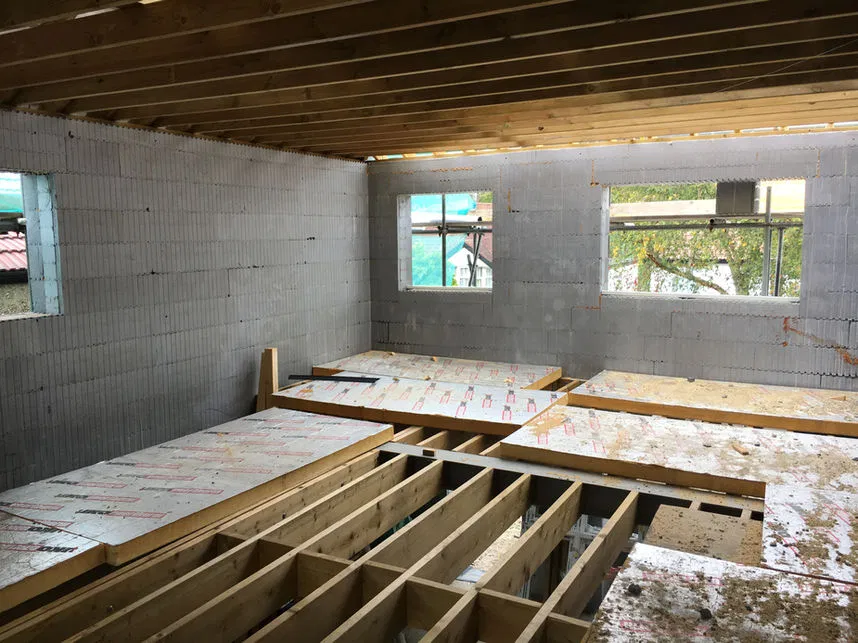
The FHS prioritises the "fabric" of the building — the walls, floors, and roof — over the technology inside it. This means insulation standards are being pushed to new heights. To meet these targets, wall build-ups will likely become thicker, which can impact the usable internal floor area. It is crucial to have your architectural design and structural calculations coordinated early to ensure these thicker walls are properly supported.
4. Higher Airtightness and Ventilation
New homes will be built to be much more airtight than those of the past. While this is great for energy efficiency, it creates a challenge for air quality. To prevent damp and stale air, most FHS-compliant homes will require Mechanical Ventilation with Heat Recovery (MVHR) systems. These systems recycle the heat from outgoing air to warm the incoming fresh air, keeping the home healthy and warm.
5. Structural Loads are Changing
New technologies mean new weight. Solar panels, heat pump units, and large hot water cylinders add significant "dead loads" to a building's structure. You cannot simply "bolt on" these features at the end of a project. Your structural engineer must account for these loads from day one to ensure the roof trusses and floor joists are capable of supporting the extra weight for decades to come.
6. The 2027 Hard Deadline
While the regulations are being phased in during 2025 and 2026, 2027 marks the hard deadline. By the end of 2027, every new home must comply with the full Future Homes Standard. However, the design phase for a 2027 completion often starts two years prior. If you are starting your planning application today, you are effectively designing for the FHS era.
7. Hot Water Storage is Back
For years, the "combi-boiler" removed the need for bulky hot water tanks. Because heat pumps work differently, hot water storage is making a comeback. New homes will need dedicated space for large, highly insulated cylinders. This requires clever architectural planning to ensure you don't lose valuable living space to a plant room.
8. Wastewater Heat Recovery (WWHR)
The FHS doesn't just look at how you heat your home; it looks at how you lose heat. Wastewater Heat Recovery systems are becoming a standard part of the "notional building" used to set targets. These systems capture heat from your shower or bath water before it goes down the drain, using it to pre-warm the cold water feed. It's a small technical detail that makes a big difference in meeting carbon targets.
9. Early Integrated Design is Essential
The complexity of the FHS means the old way of working — where an architect draws a plan and a structural engineer looks at it weeks later — is no longer viable. The placement of a heat pump, the weight of the solar array, and the thickness of the insulation all affect the structural integrity and the architectural layout simultaneously. At Shorplans, we provide in-house coordination of both services to streamline this process.

10. Local Expertise Matters in London & Surrey
Planning regulations in areas like Bexleyheath, Croydon, and across Surrey can be intricate. Local authorities are increasingly looking for "sustainability statements" that align with the spirit of the FHS. Working with a team that understands the local landscape — and the technical requirements of the new standards — is the best way to ensure your project gets through Planning and Building Control without costly delays.
Why Choose Shorplans for Your 2026 Build?
With over 20 years of expertise, Shorplans Developments is uniquely positioned to help you transition into the era of the Future Homes Standard. We don't just provide drawings; we provide solutions. Our team ensures that your home is not only aesthetically beautiful but also technically compliant and structurally sound.
Whether you are planning a modern extension in Croydon or a new sustainable home in Bexleyheath, let us handle the technical heavy lifting. We ensure that your project is future-proofed against the regulations of 2026 and beyond.
Ready to start your journey? Get a free quote today and let's discuss how we can bring your vision to life under the new standards.
Thinking about starting a project?
Speak to our RIBA Chartered team today and book a free, no-obligation quotation.
Get A Free Quote