Expanding your living space in London has never been more strategic than it is in 2026. With property prices maintaining their upward trajectory, a loft conversion remains the most effective way to add both square footage and significant market value to a residential home.
Whether you are looking to create a master suite, a high-tech home office, or an additional bedroom for a growing family, the financial landscape has shifted. Navigating 2026 costs requires a clear understanding of build prices, professional fees, and the intricate planning regulations specific to London's varied boroughs.
This guide explores the essential cost factors you need to consider before breaking ground.
1. The 2026 London Price Benchmark
Loft conversion prices in London for 2026 typically range between £50,000 and £90,000 for a comprehensive project. This figure represents the "all-in" build cost for a standard semi-detached or terraced property, though several factors can push this higher.
The current market is defined by a stabilization of material costs paired with a continued premium on skilled London-based labor. When budgeting, it is crucial to remember that these figures usually exclude VAT and professional fees. Property owners should anticipate a total investment that accounts for the complexity of the London urban environment.
2. Dormer Loft Conversion Costs
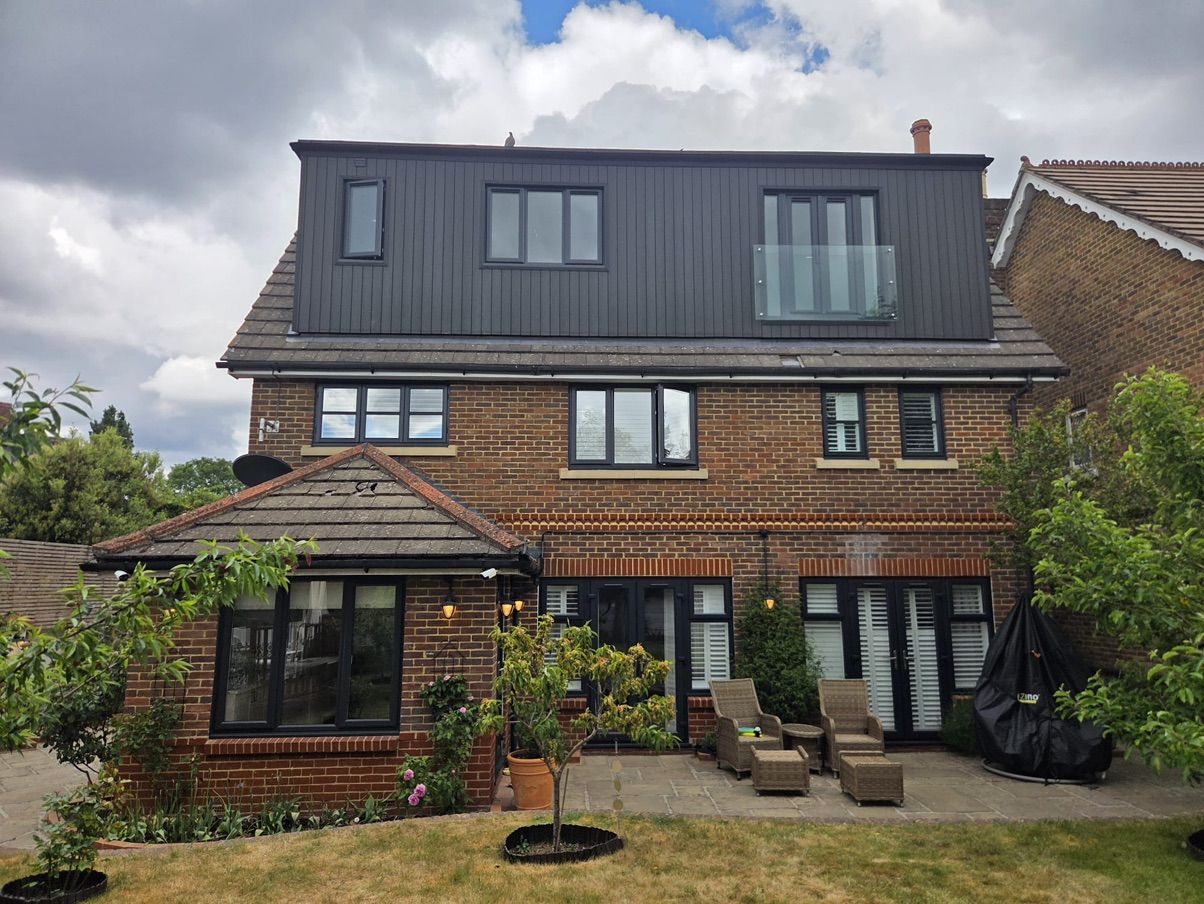
The dormer loft conversion remains the most popular choice across London due to its versatility and the significant head height it provides. In 2026, dormer loft conversion costs generally sit between £45,000 and £65,000 for a standard execution.
A dormer essentially extends the existing roof vertically, creating a box-like structure that allows for conventional windows and maximum floor space. This is often the most cost-effective way to gain a new master bedroom and en-suite. Projects at the higher end of this bracket often include bespoke joinery or high-performance glazing.
3. Hip-to-Gable Costs for Semi-Detached Homes
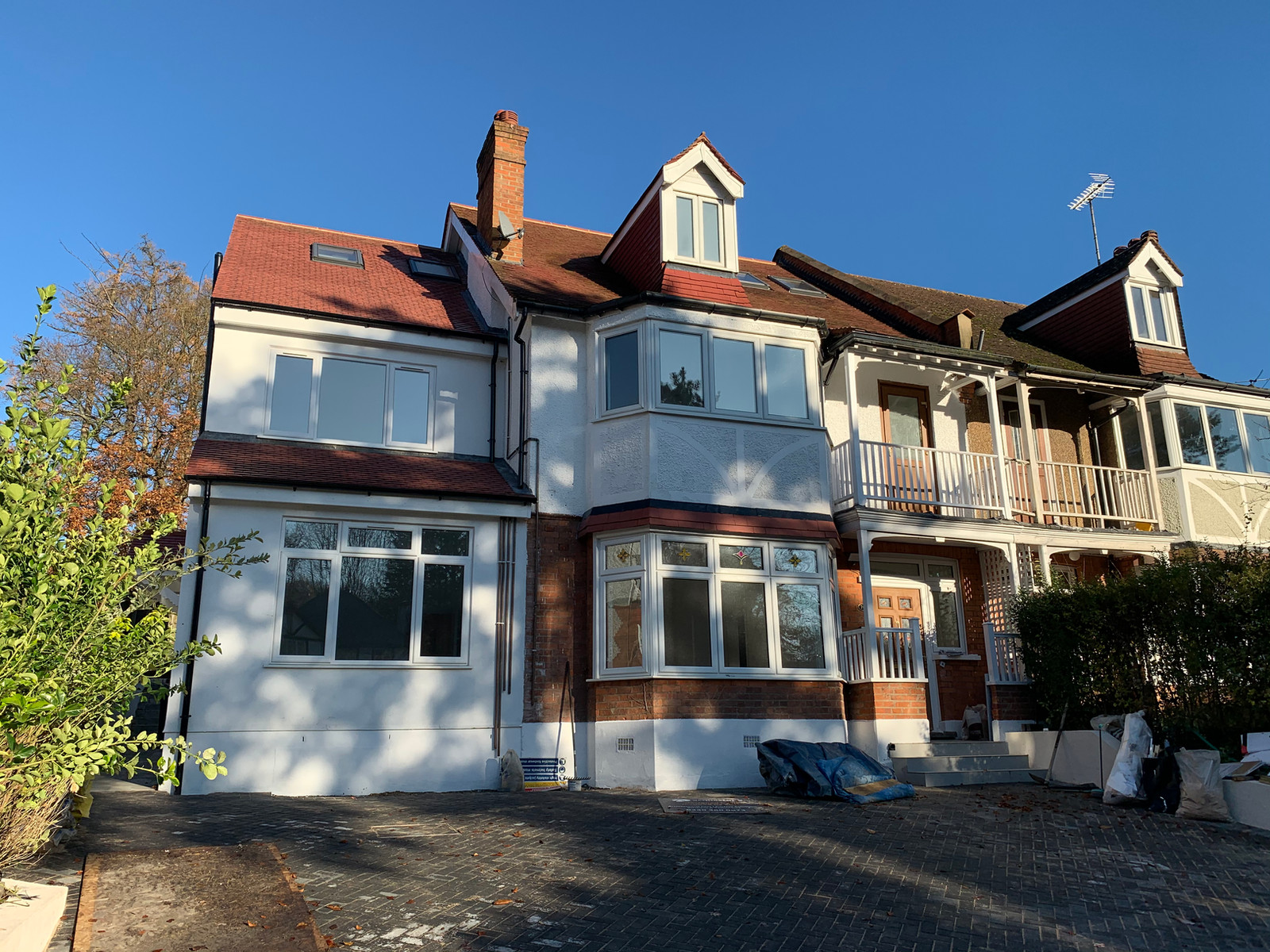
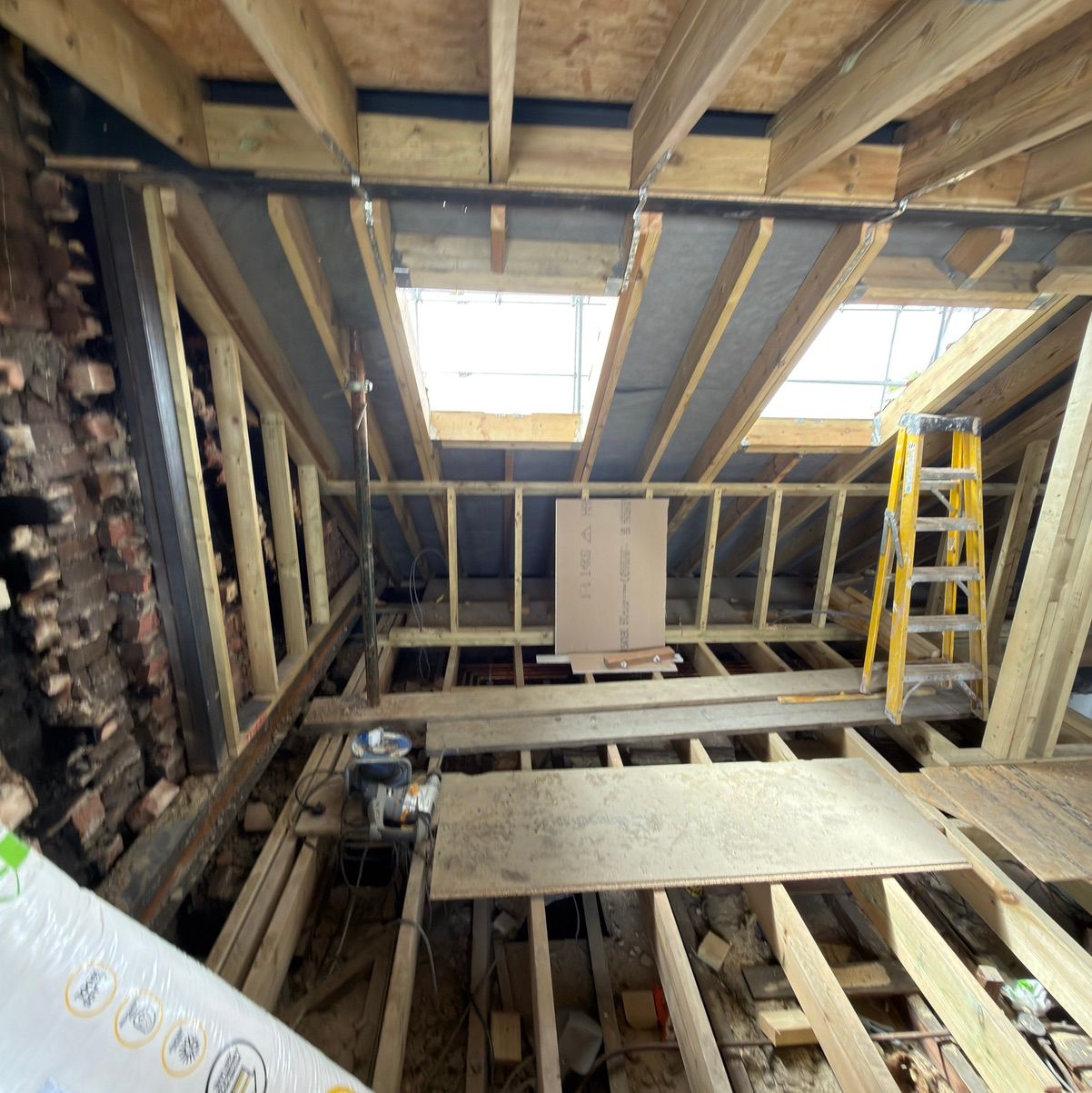
For owners of semi-detached or end-of-terrace properties with hipped roofs, a hip-to-gable conversion is often the preferred route. This involves extending the "hip" of the roof to create a vertical "gable" wall, significantly increasing the internal volume.
In the 2026 market, expect hip-to-gable costs to range from £50,000 to £70,000. These projects are more structurally demanding than simple dormers as they require significant alterations to the primary roof structure. Many London homeowners combine a hip-to-gable conversion with a rear dormer to maximize the potential of their residential architecture.
4. The Premium for Mansard Conversions
Mansard loft conversions are frequently required in London's conservation areas or for period properties where aesthetic sensitivity is paramount. Because they involve altering the entire slope of the roof, they are the most labor-intensive and expensive option.
A mansard conversion in 2026 typically costs between £60,000 and £90,000. While the investment is higher, the result is an almost full additional storey that blends seamlessly with the original building's character. For properties in boroughs like Kensington or Richmond, this is often the only viable path to planning approval.
5. Structural Engineer Loft Conversion Cost
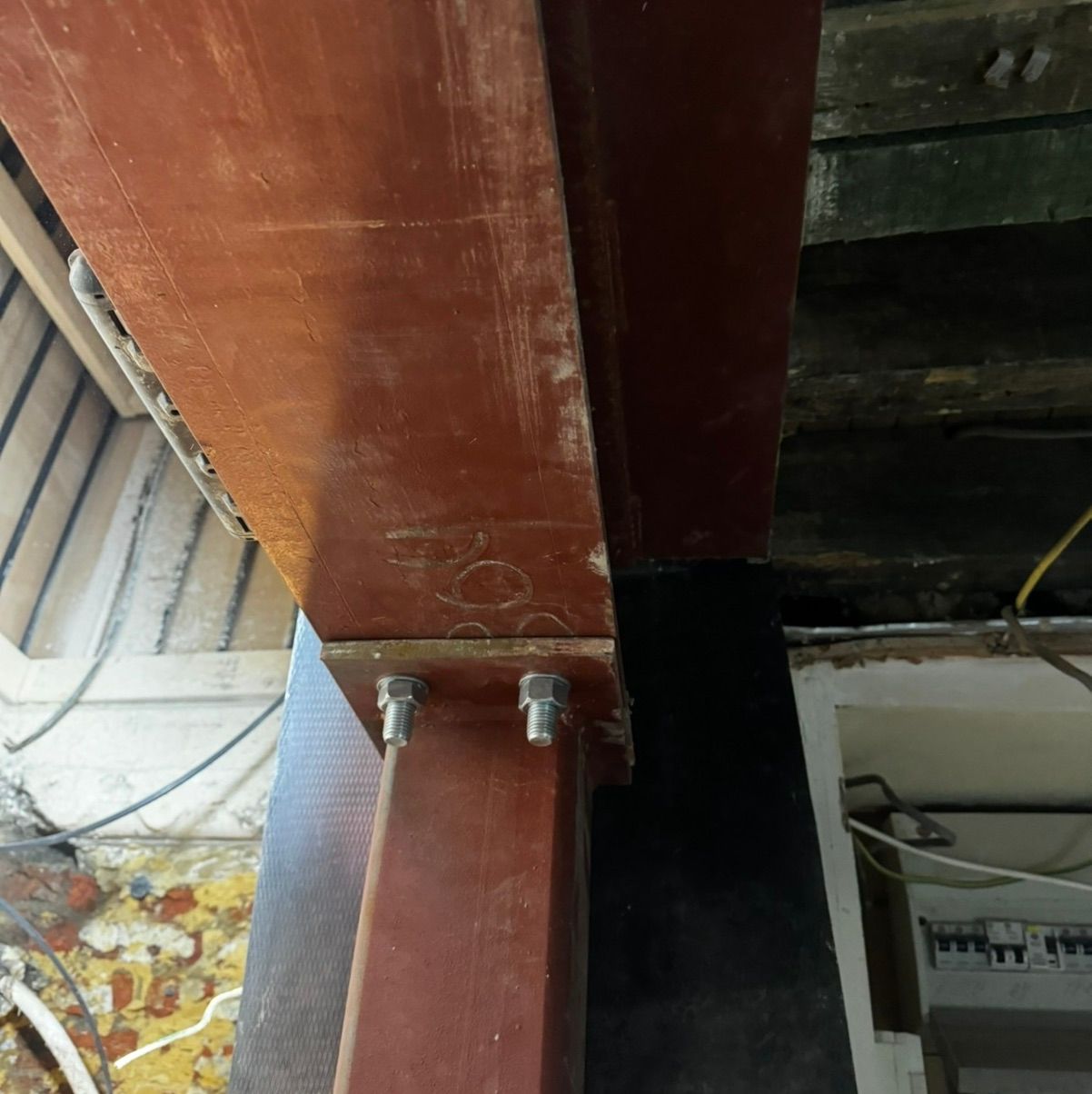
No loft conversion can proceed without precise technical oversight. A structural engineer loft conversion cost in London typically ranges from £2,000 to £3,500 for a full design service, which includes site inspections, load-bearing calculations, and detailed drawings for Building Control.
Structural engineering ensures that your existing walls and foundations can support the new weight of the conversion. This phase involves calculating the size and placement of RSJ steel beams. At Shorplans Developments, we integrate structural engineering services directly with our architectural designs to ensure that the technical requirements never compromise the visual layout.
6. Navigating London Borough Variations
Location within London dictates more than just the property value; it influences the "hidden" logistics of the build. Costs can vary between boroughs like Croydon, Enfield, and Kingston due to local parking permits, skip licenses, and CIL (Community Infrastructure Levy) charges.
Central London boroughs often present tighter access constraints, requiring specialized equipment or smaller delivery vehicles, which can add 5–10% to the total build cost. Early consultation with London architects who understand these local nuances is essential for accurate budgeting.
7. Professional Fees and Planning Permissions
Beyond the physical build, professional fees are a significant component of your budget. You should typically set aside 10–15% of your total budget for architectural drawings, planning applications, and Building Control fees.
While many loft conversions fall under "Permitted Development," they still require a Lawful Development Certificate to ensure future resale value. If your project requires a full planning application — standard for flats and conservation areas — this involves additional time and administrative costs. You can explore our planning advice for more details on navigating these requirements.
8. The Party Wall Factor
In London's dense urban fabric, almost every loft conversion involves a shared wall. If you are converting the loft of a terraced or semi-detached house, you must comply with the Party Wall Act 1996.
Budgeting for Party Wall Services is vital. If your neighbors dissent to the work, you will need to appoint surveyors, which can add £1,500 to £3,000 per neighbor to your costs. Addressing this early in the design phase can prevent costly delays once the contractors are on site.
9. Interior Specification Traps
The "shell and core" of a loft conversion is only part of the story. The internal finish — specifically bathrooms and bespoke storage — can swing the total price dramatically.
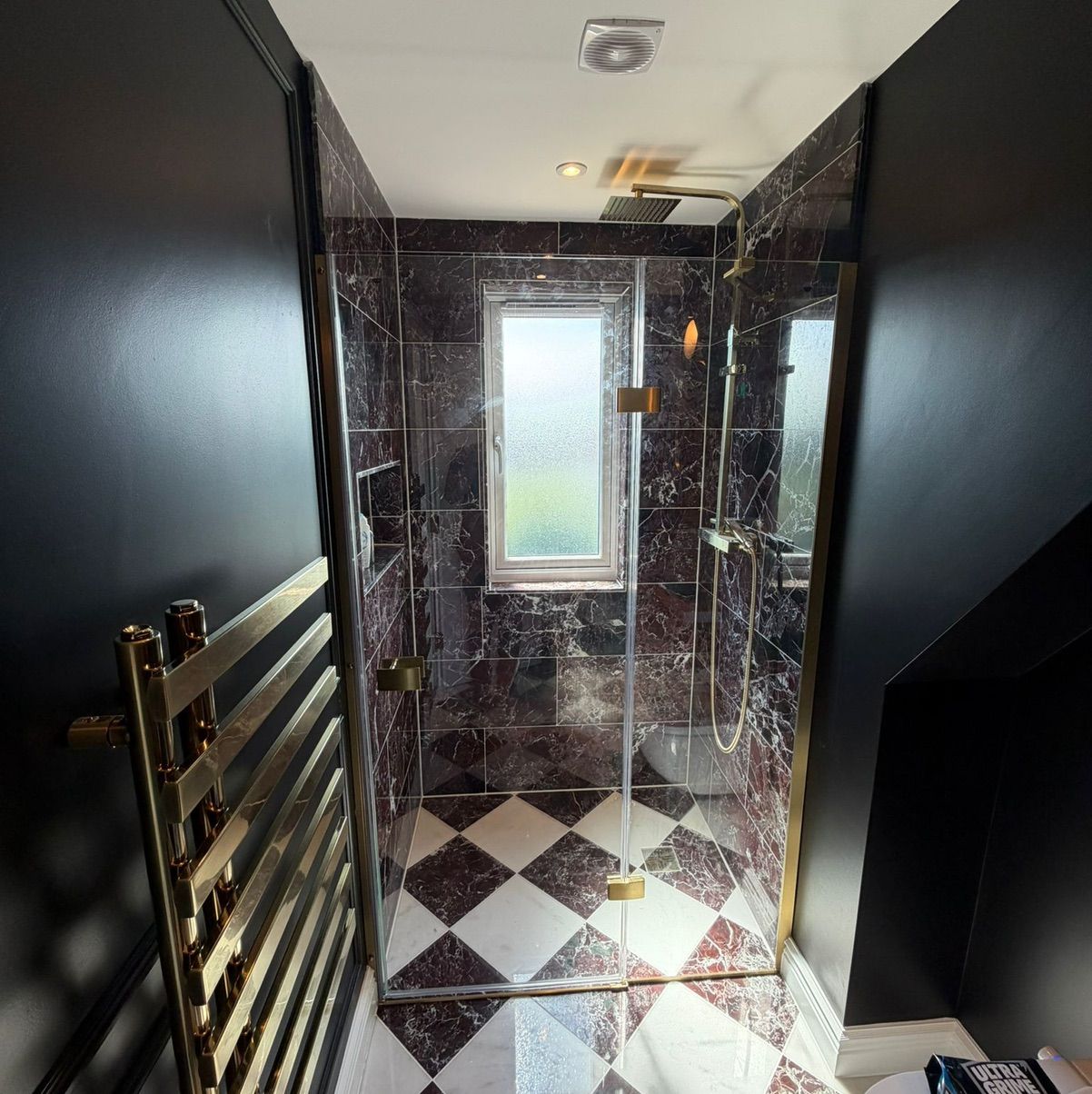
A luxury en-suite in a master loft can cost anywhere from £5,000 to £15,000 depending on the choice of tiles and fixtures. In 2026, many clients are opting for high-end finishes like marble tiling and gold hardware to elevate the space. High-spec plumbing and electrical work, including integrated smart home tech, should be discussed early to avoid budget creep.
10. The In-House Advantage
The most effective way to control loft conversions prices in 2026 is through streamlined project management. Traditional routes often involve hiring an architect and a structural engineer separately, which can lead to communication gaps and "over-engineering" that inflates construction costs.
At Shorplans Developments, we provide an integrated in-house service. By coordinating architectural design and structural calculations under one roof, we eliminate the friction between "the vision" and "the physics." This approach not only speeds up the planning process but also ensures that the structural solutions are as cost-efficient as possible.
Moving Forward with Your Project
A loft conversion is an intricate system of creativity, technical knowledge, and an understanding of local regulations. While the costs involved are significant, the return on investment in the London market remains one of the strongest in the construction sector.
When it comes to planning your 2026 project, precision is your most valuable asset. Whether it is a simple dormer or a complex mansard, starting with a clear financial and structural roadmap is the key to success.
If you are ready to explore the potential of your attic space, you can use our instant quote tool or book a consultation with our expert team today.
Thinking about starting a project?
Speak to our RIBA Chartered team today and book a free, no-obligation quotation.
Get A Free Quote