Investing in a House in Multiple Occupation (HMO) requires a significant shift in mindset from traditional residential property development. An HMO represents a high-yield commercial asset that exists within a residential shell, demanding a unique approach to design and compliance. Finding a specialist HMO architect is the most critical step in ensuring your project is both legal and profitable.
What is an HMO and How Does an HMO Work?
Before diving into the architectural requirements, it is essential to understand the basics of the asset class. An HMO, or House in Multiple Occupation, is a property rented out by at least three people who are not from one household but share facilities like the bathroom and kitchen. This is often referred to as a "small HMO" and typically falls under the C4 use class.
How does an HMO work in practice? Essentially, you are transitioning a single-family dwelling (C3) into a multi-unit rental designed around shared living. Each tenant rents an individual room while sharing key communal spaces, and the property must be arranged to meet planning, fire safety, amenity, and licensing requirements. When a property houses five or more tenants from more than one household, it is classified as a "Large HMO" and often requires "Sui Generis" planning permission. The complexity arises because you must satisfy three different sets of standards simultaneously: Planning Permission, Building Regulations, and Licensing.
1. You Need a Specialist, Not a Generalist
Designing a standard residential extension is vastly different from configuring a high-density HMO. A specialist HMO architect understands how to balance maximum room count with the strict amenity standards set by local authorities. They focus on the intersection of commercial viability and statutory compliance.
Generalist architects may create beautiful spaces that fail to meet the mandatory minimum room sizes or fire safety paths. Specialist firms like Shorplans Developments bring years of experience in navigating the specific nuances of multi-let properties. This expertise ensures that every square metre of the property is working to generate a return on your investment.
2. Understanding Article 4 and Planning Constraints
Planning permission is often the biggest hurdle for new HMO developers. In many parts of the UK, local councils have implemented "Article 4 Directions," which remove permitted development rights for changing a house into an HMO. When Article 4 is in effect, you must apply for full planning permission even for small HMOs.
A knowledgeable HMO architect will assess the concentration of HMOs in your specific street before you even submit an application. They understand local "sandwiching" policies, which prevent a single residential house from being trapped between two HMOs. Navigating these intricate planning regulations requires a strategic approach and a robust planning statement.
3. Prioritising Fire Safety and Part B Compliance
Fire safety is non-negotiable in HMO design and is significantly more stringent than in a standard family home. Building Regulations Part B dictates the requirement for protected escape routes, which usually means fire-rated doors and partitions. Your architect must design these features into the fabric of the building from the very beginning.
This includes specifying FD30S fire doors, integrated smoke detection systems (LD2 or L2), and often emergency lighting. In larger Sui Generis HMOs, the requirements may even involve complex compartmentation to prevent the spread of fire between floors. Working with a firm that integrates structural engineering services ensures that these safety features are physically supported by the building’s framework.
4. Navigating Minimum Room Sizes and Amenities
The government sets national minimum sleeping room sizes, but many local councils have their own, more demanding standards. For example, a single room must be at least 6.51 square metres, while a double must be 10.22 square metres. However, these figures are often higher if the room does not have access to a separate communal lounge.
Your HMO architect will also design for "amenity standards," which cover the number of bathrooms and kitchen facilities required per tenant. If you have five tenants, a single small kitchen with one oven will likely not suffice for licensing. Designing with these ratios in mind prevents the need for costly alterations after the building work is finished.
5. Designing for Yield vs. Tenant Appeal
A common mistake in HMO development is focusing solely on the number of rooms at the expense of liveability. While maximizing the "rentable units" is important for yield, a property that feels like a hostel will suffer from high tenant turnover and frequent voids. A skilled architect creates spaces that tenants actually want to call home.
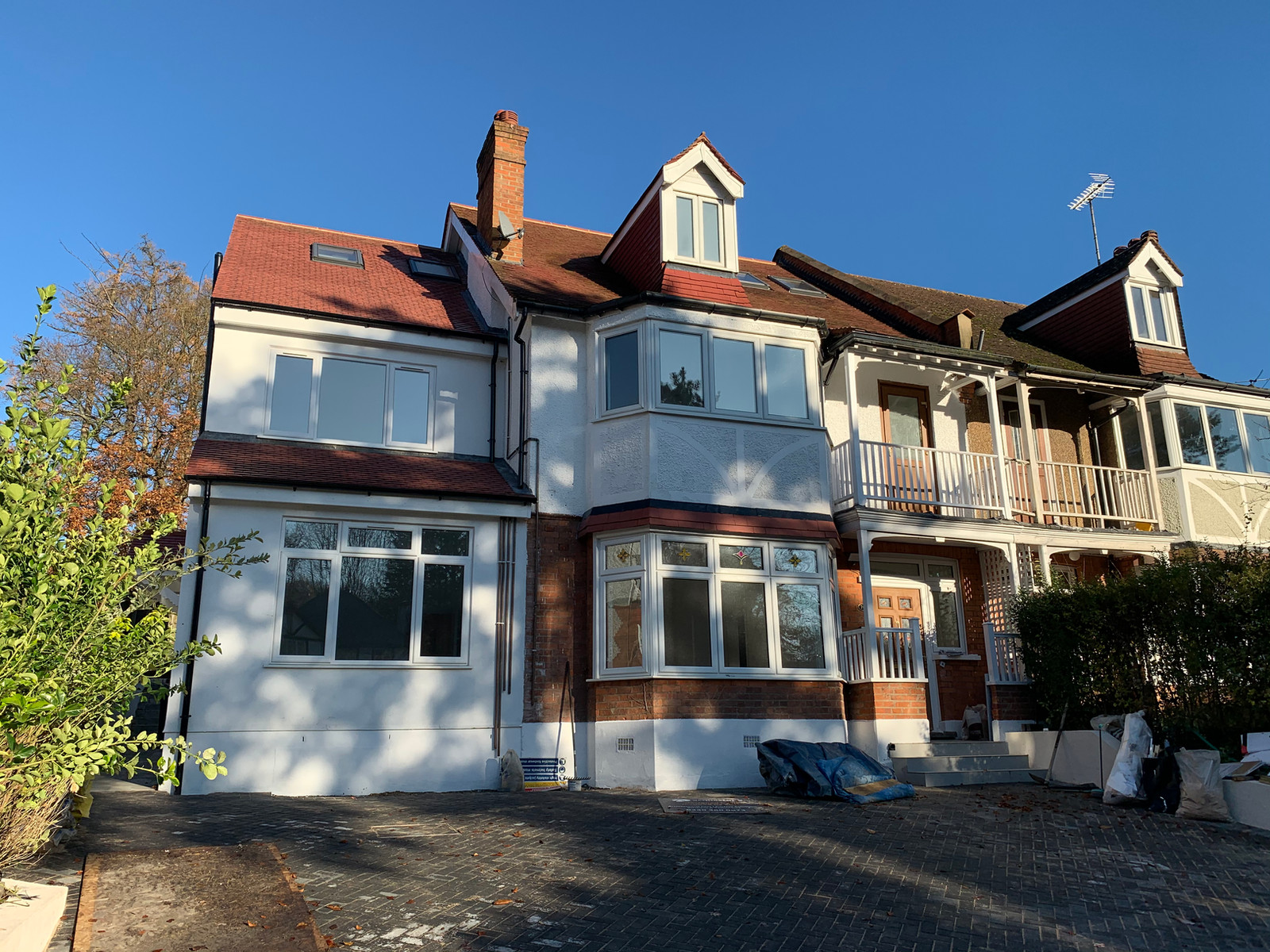
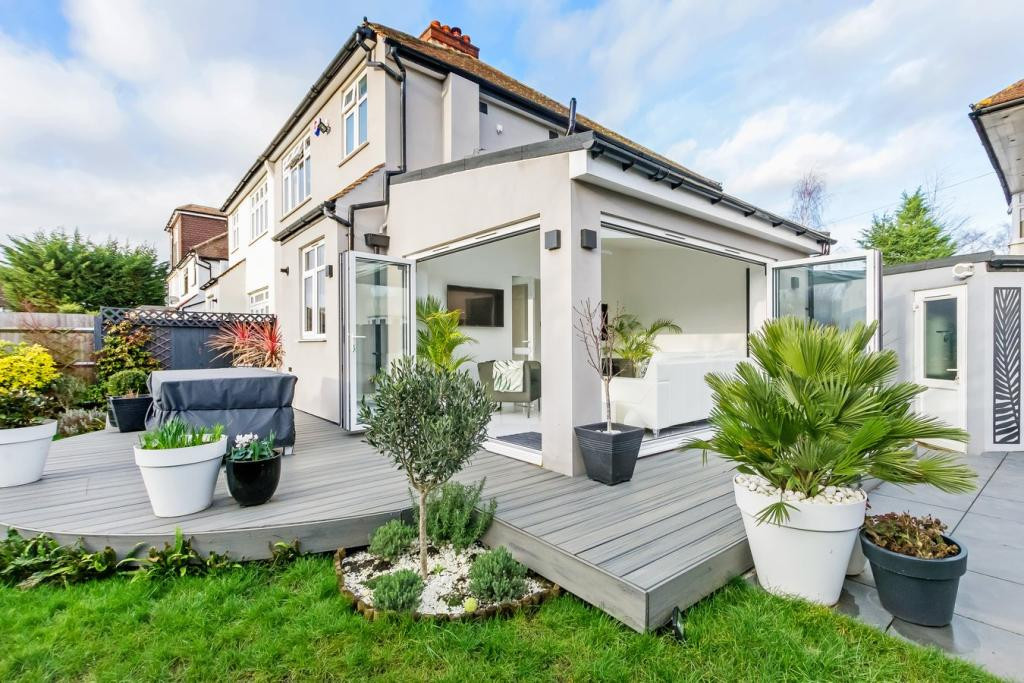
This involves clever use of natural light, high-quality finishes, and thoughtful storage solutions. A modern open-plan space can show how an HMO interior remains both functional and attractive, while a well-designed kitchen extension highlights how important light is in communal areas that tenants use every day. Whether it is a modern rear extension to create a larger communal hub or a loft conversion to add a premium en-suite room, the design should reflect the target demographic. Premium "professional HMOs" often perform better long-term than budget conversions.
6. The Importance of Professional Credentials
When hiring an HMO architect, always verify their professional standing. In the UK, the title "Architect" is protected by law, and practitioners must be registered with the Architects Registration Board (ARB). Many also choose to be members of the Royal Institute of British Architects (RIBA).
Choosing a firm with these credentials provides you with the assurance of professional indemnity insurance and a commitment to ethical practice. You can read more about why choosing a RIBA Chartered Architect is a safeguard for your investment. These professionals are trained to handle the complex technical challenges that HMOs present.
7. Local Knowledge and Council Relations
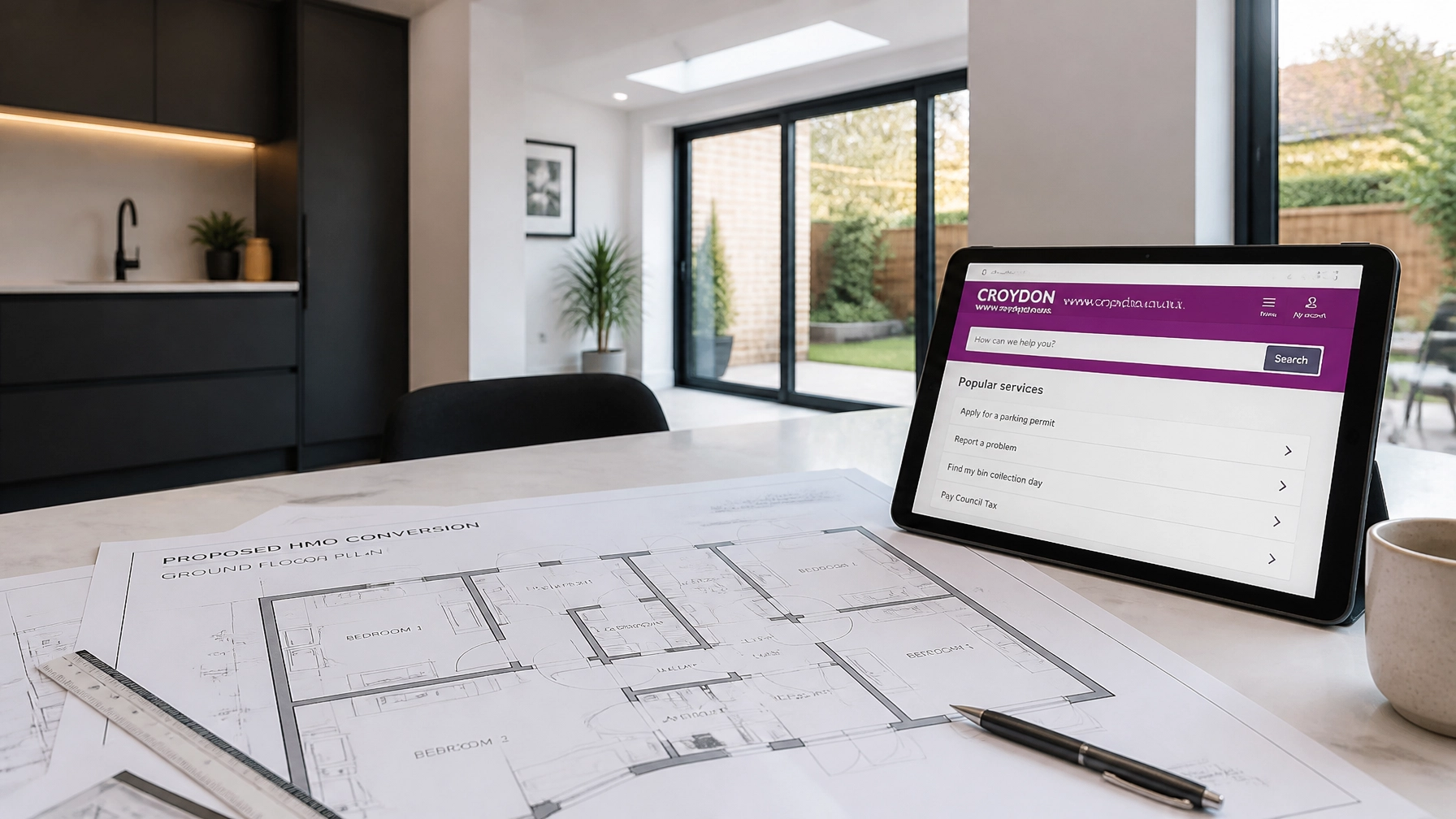
Every local authority has a slightly different "HMO SPD" (Supplementary Planning Document). An architect who frequently works in areas like Croydon, Bexleyheath, or Kent will be familiar with the specific preferences of the local planning officers. This relationship can be the difference between a smooth approval and a lengthy appeal process.
Local knowledge also extends to understanding the local market's "sweet spot" for room rates. An architect familiar with the area can advise whether an out-building scheme or a side extension will add the most value based on local demand. They understand the "character of the area" that planners are so keen to protect.
8. Acting as the Principal Designer (CDM 2015)
Under the Construction (Design and Management) Regulations 2015, most HMO conversions will require the appointment of a Principal Designer. This role is responsible for planning, managing, and monitoring health and safety during the pre-construction phase. Your architect usually takes on this responsibility to ensure the design is safe to build and maintain.
This is a legal requirement that protects you as the property owner. A specialist firm will manage the risk register and coordinate with other consultants, such as structural engineers or asbestos surveyors. This holistic approach ensures that the project moves from the drawing board to the site without compromising safety or legal standing.
9. Transparent Fee Structures and Deliverables
Understanding the cost of architectural services is vital for your project's feasibility study. Most HMO architects offer phased fees, allowing you to pay as the project progresses through feasibility, planning, and building regulations. Be wary of quotes that seem unusually low, as they may exclude essential documents like the amenity schedule or fire safety plans.
At Shorplans Developments, we believe in transparency regarding the scope of work. A comprehensive package should include existing and proposed floor plans, elevations, section drawings, and the necessary statements for planning. Clarifying what is included: and what is an "extra": prevents budget creep during the design phase.
10. Avoiding Common Design Mistakes
The final thing you should know is what usually goes wrong in HMO developments. Common pitfalls include poor sound insulation between rooms, inadequate ventilation leading to damp issues, and "dead-end" corridors that fail fire inspections. A specialist architect identifies these risks during the initial site survey.
Thoughtful design also considers the "operational" side of the HMO. Where will the bins go? Is there enough space for secure cycle storage? These are mandatory requirements for most HMO licenses but are often forgotten in the rush to add more bedrooms. A property that functions well for both the landlord and the tenants is a property that will sustain its value over time.
Future-Proofing Your HMO Investment
The regulatory landscape for HMOs is constantly evolving, with new legislation frequently introduced to raise the standard of rental accommodation. By working with a specialist HMO architect, you aren't just designing for today; you are future-proofing your asset against upcoming changes in energy efficiency and licensing laws.
Whether you are embarking on a new build dwelling intended for HMO use or converting a Victorian terrace, professional architectural guidance is your most valuable tool. The right design transforms a simple house into a high-performance investment that provides safe, high-quality housing for the modern tenant.
Thinking about starting a project?
Speak to our RIBA Chartered team today and book a free, no-obligation quotation.
Get A Free Quote