A refusal should be read as a set of specific reasons to address. The right response may be a revised application, better evidence or an appeal. Appealing is not automatically faster or more effective than changing a scheme.
01
Read the decision and officer report
Identify the policies cited, the actual harm alleged and whether the refusal is about principle, design or missing evidence. Compare the report with the submitted drawings and consultation responses.
A lower roof may answer an outlook concern, while a fundamental policy objection to the use may require a different strategy. Ask your adviser to distinguish a realistic redesign opportunity from a defensible appeal case.
02
Householder and other appeal deadlines
For refusal of a householder planning application, the usual deadline is 12 weeks from the date on the decision letter. For many other refused or conditionally approved planning applications, the usual deadline is six months. These are not interchangeable rules.
Shorter deadlines can apply where an enforcement notice is involved, and some other appeal categories have their own periods. Non-determination and appeals against conditions also need the correct route. Verify the decision notice and current Planning Inspectorate guidance immediately; do not wait until the end of a redesign discussion.
03
Build the case around the refusal reasons
Explain how the submitted scheme relates to the development plan and other material considerations. Use accurate drawings and proportionate specialist evidence, such as daylight or heritage analysis, where it directly addresses the disputed issue.
An appeal normally considers the scheme determined by the council, not an opportunity to introduce a substantially different design. If you need major changes, a fresh application may be more appropriate. Nearby approvals can be informative but are not automatic precedents.
04
Understand procedure and timing
Householder appeals commonly use a streamlined written process. Other appeals may proceed by written representations, hearing or inquiry, depending on the case and the Inspectorate's procedure rules. Check what can be submitted and when.
Allow months rather than treating an appeal as an extension of the original eight-week application target. Live Inspectorate timescales vary by route, workload and case complexity. No honest adviser can promise an appeal result or a universal duration.
05
Success factors and commercial judgement
A focused policy case, complete evidence, consistent drawings and disciplined deadlines improve the quality of a submission. Emotional disagreement, unsupported assertions or copying another site's outcome do not.
Compare likely fees, delay and prospects with the value of a revised scheme. If considering costs, obtain advice about the specific tests; an award of costs does not follow simply because an appeal succeeds.
Checklist
Points to confirm before you commit time or money.
- Record the decision date and verify the exact appeal deadline.
- Read the officer report and address each refusal reason.
- Compare redesign, new evidence and appeal before choosing.
- Prepare a focused case with a realistic budget and programme.
From our projects
Real Shorplans work, and why it is relevant here.
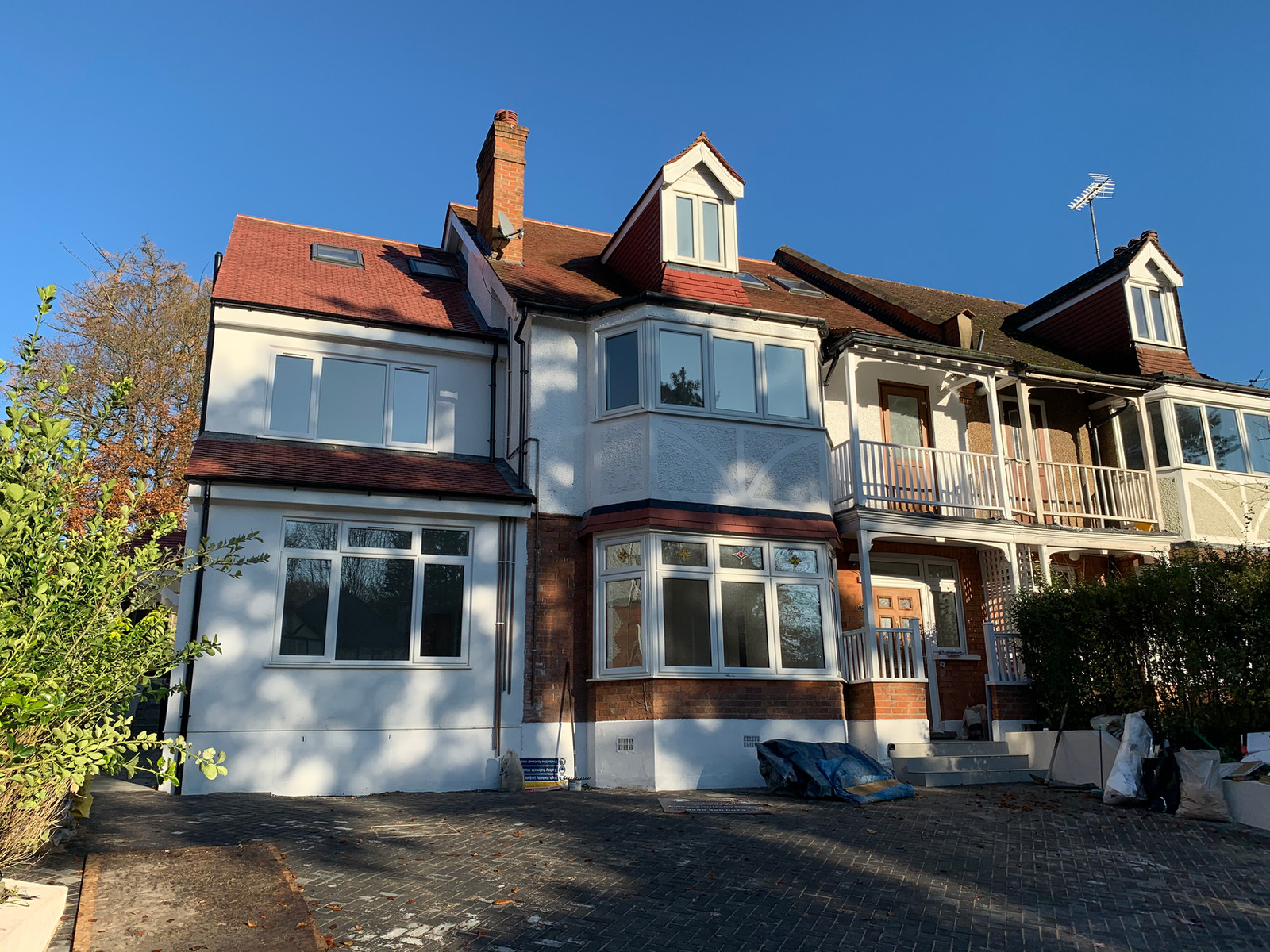
Finsbury Park, London
Residential Renovation & Extension
Why it is relevant: The Finsbury Park portfolio scheme demonstrates a coordinated response to a complex renovation brief. It is included for design context only: no refusal, appeal or successful appeal outcome is recorded for this project.
Comprehensive renovation including a new basement kitchen and dining space, infill side extension, and dormer loft conversion — delivering a four-bedroom, three-bathroom family home. High-performance glazing, skylights, and light wells ensure excellent daylight penetration throughout all levels. Brickwork matched sympathetically to the existing Finsbury Park façade.
View related projectsOfficial sources
General guidance for England, with a London focus. Requirements depend on the property, proposal and current rules. This is not a site-specific design, legal opinion, fixed quotation or guarantee of approval. Check the linked official guidance and obtain project-specific professional advice before acting. Last reviewed .
Applying this to your property?
Tell us about the building and what you want to achieve. We will reply with how we would approach it and a fee proposal.