Pre-application advice can identify the council's main concerns before a formal application, but its value depends on the questions and information supplied. It is advice, not permission or a binding promise of approval.
01
When it is worth considering
A constrained site, heritage setting, substantial extension, house-to-flats proposal or uncertain change of use may justify early officer input. It can help test policy interpretation and identify specialist reports before a full submission.
For a straightforward proposal with clear policy and a settled design, a paid pre-application service may add less value. Compare the authority's fee, response format and expected timeframe with the uncertainty you are trying to resolve.
02
Prepare a useful brief
Show the existing site, a credible concept, dimensions and the surrounding context. Explain the intended use and identify any known planning history, nearby windows or access constraints.
Ask specific questions: is the proposed intensity acceptable, what heritage issues need investigation, what daylight evidence is proportionate, and which local validation requirements apply? A vague request for 'comments on an extension' often produces a vague response.
03
Understand its limitations
Officers may not visit, consult neighbours or involve every specialist during the pre-application stage. Policies and circumstances may change before determination, and a formal application can reveal issues not addressed in the advice.
Keep assumptions and caveats visible. Do not present an encouraging email as an approval to build or as a guarantee that a planning committee will agree.
04
Responding to negative advice
Separate a fundamental policy conflict from a concern that can be addressed through design or evidence. Ask which aspect causes harm and test a lower, shorter, differently arranged or less intensive option.
Commission targeted specialist work only where it helps answer a real question. An evidence-based response may justify an alternative approach, but repeating that the client wants the original design is unlikely to resolve the concern.
05
Decide the next step
Record the advice, response and remaining risks in a short design note. Decide whether to revise, seek a focused follow-up, submit an application with a clear justification, or stop before committing further cost.
Budget separately for the formal application and required reports. Pre-application fees and response targets differ by council and are not included automatically in every architectural appointment.
Checklist
Points to confirm before you commit time or money.
- Identify the uncertainty that justifies the fee.
- Provide an accurate concept and context.
- Ask focused policy and evidence questions.
- Treat the answer as qualified advice and record the next design decision.
From our projects
Real Shorplans work, and why it is relevant here.
Fulham, London
Basement & Extension Scheme
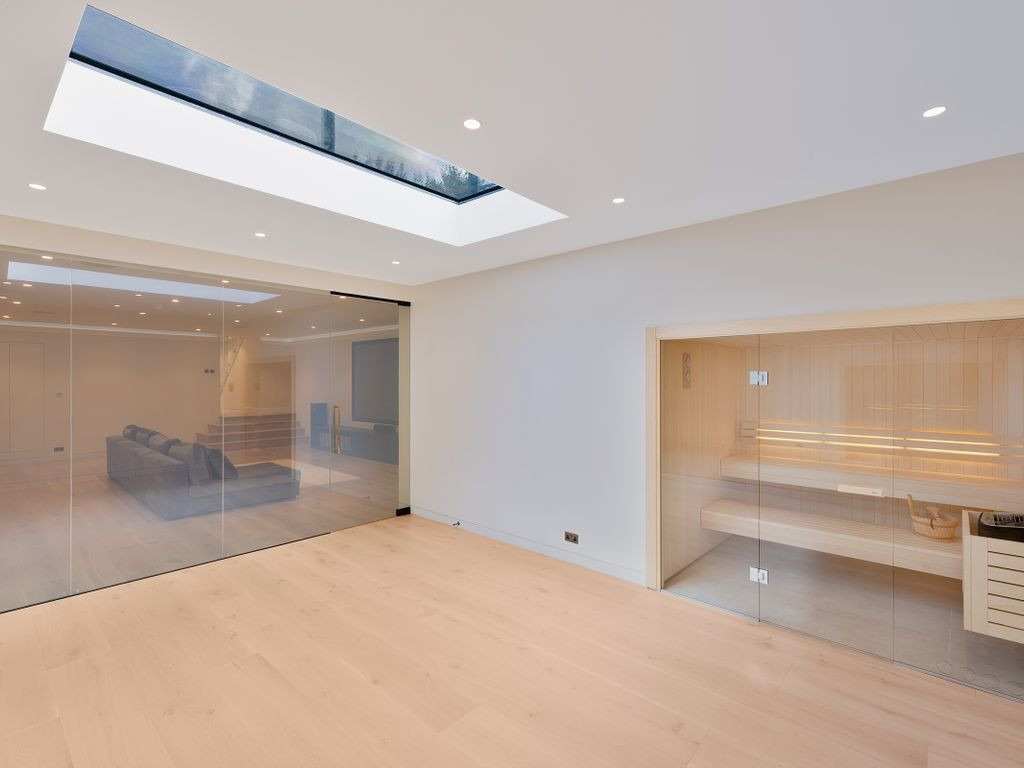
Why it is relevant: The Fulham basement-and-rear scheme illustrates a complex brief where structure, excavation and neighbourhood context need early investigation. The portfolio does not state that pre-application advice was obtained or what an officer advised.
A bold yet sensitive intervention pairing a new basement level (cinema room and sauna wellness suite) with a refined rear extension for a six-bedroom semi-detached in Fulham SW6. Full-height glazing dissolves the boundary between kitchen, dining, and garden. Structural engineering via contiguous piling and Type C cavity drain waterproofing system.
View related projectsOfficial sources
General guidance for England, with a London focus. Requirements depend on the property, proposal and current rules. This is not a site-specific design, legal opinion, fixed quotation or guarantee of approval. Check the linked official guidance and obtain project-specific professional advice before acting. Last reviewed .
Applying this to your property?
Tell us about the building and what you want to achieve. We will reply with how we would approach it and a fee proposal.