A lender's valuation is not a structural investigation. If a survey identifies cracking, removed walls, roof movement or an uncertain extension, a focused report from a suitably qualified structural engineer can help you understand the issue before exchanging contracts.
01
When further investigation is sensible
Typical triggers include a removed chimney breast or internal wall without clear records, a conservatory with movement, alterations to roof timbers, large cracks or a previous extension that appears to be separating from the house.
An extension or conservatory is not defective merely because it exists. The purpose of the inspection is to investigate the concern identified, distinguish observations from possible causes and recommend a proportionate next step.
02
Agree the scope before the visit
Provide the surveyor's findings, photographs, plans, seller disclosures and available completion certificates. Define whether the instruction is to assess one concern or give broader advice on the structure.
Access limitations are important. A visual inspection cannot verify hidden foundations, every concealed beam or underground drainage. Ask whether opening-up, drainage surveys, monitoring, soil investigation or specialist testing may be needed, and agree who can authorise those investigations before purchase.
03
What a useful report should explain
Expect a description of the inspected areas, the observed defects, limitations, likely mechanisms where supportable and recommended investigation or remedial action. The report should distinguish a confirmed defect from a possible cause that still needs testing.
A repair recommendation should be sufficiently clear to scope further design. A visual report is not automatically a detailed repair design, a fixed repair quotation or a guarantee against future movement.
04
Records, insurance and reliance
Missing building control or planning documents are a legal and conveyancing issue as well as a technical concern. A structural report does not retrospectively approve unauthorised work. Ask your solicitor to review the relevant permissions and records.
Confirm the report's intended client, reliance terms, professional indemnity arrangements and whether the lender needs particular information. Do not assume you can rely on a report commissioned by someone else without permission.
05
Use the findings to make a decision
Resolve what must be investigated before exchange and what can be sensibly addressed afterwards. Obtain independent repair estimates where needed and allow for access, finishes and professional fees, not just the visible structural repair.
Where the mechanism is uncertain, further investigation may be more valuable than negotiating a discount based on a guessed worst-case cost. Keep the decision grounded in the report's actual conclusions.
Checklist
Points to confirm before you commit time or money.
- Send the survey findings and available alteration records.
- Agree the concern, access and investigation limits.
- Separate observations, hypotheses and confirmed causes.
- Coordinate lender, conveyancer, insurance and remedial-design requirements.
From our projects
Real Shorplans work, and why it is relevant here.
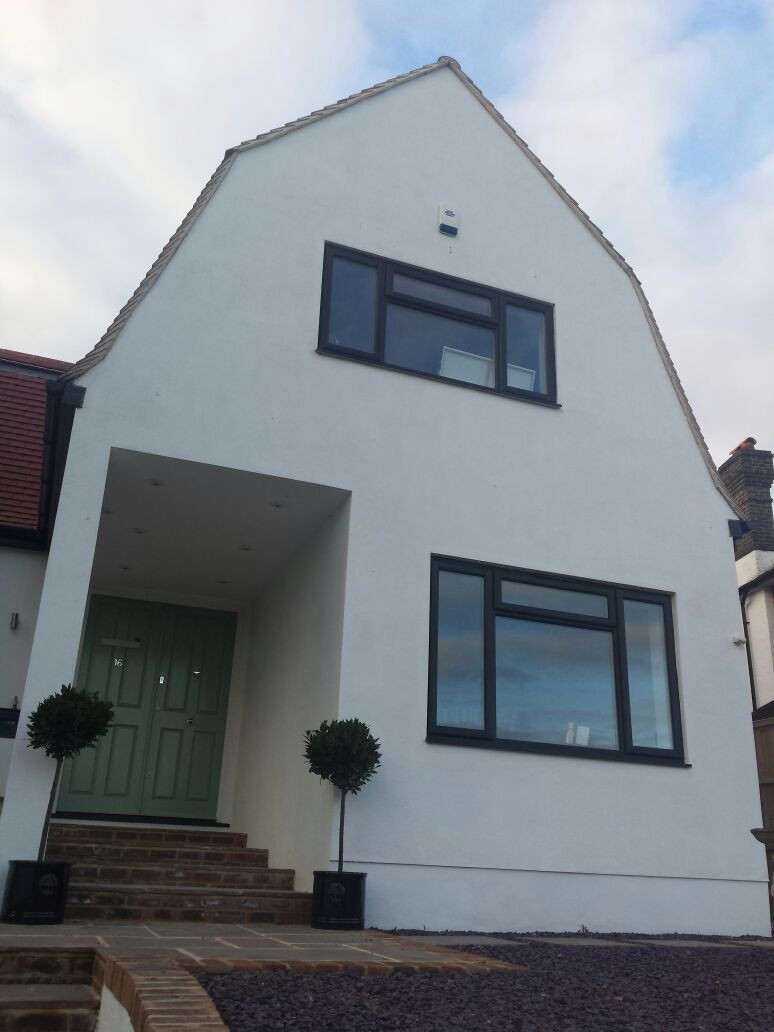
Purley, CR8
Foxley Lane
Why it is relevant: Foxley Lane is described as a conversion and extension of an established residential property. It provides context for asking about existing alterations and records; it is not presented as a property with defects or a commissioned pre-purchase report.
A sensitive conversion and extension scheme in Purley, combining contemporary living standards with the character of an established residential property. Thoughtful architectural design maximises internal space while respecting the surrounding streetscape.
View related projectsOfficial sources
General guidance for England, with a London focus. Requirements depend on the property, proposal and current rules. This is not a site-specific design, legal opinion, fixed quotation or guarantee of approval. Check the linked official guidance and obtain project-specific professional advice before acting. Last reviewed .
Applying this to your property?
Tell us about the building and what you want to achieve. We will reply with how we would approach it and a fee proposal.