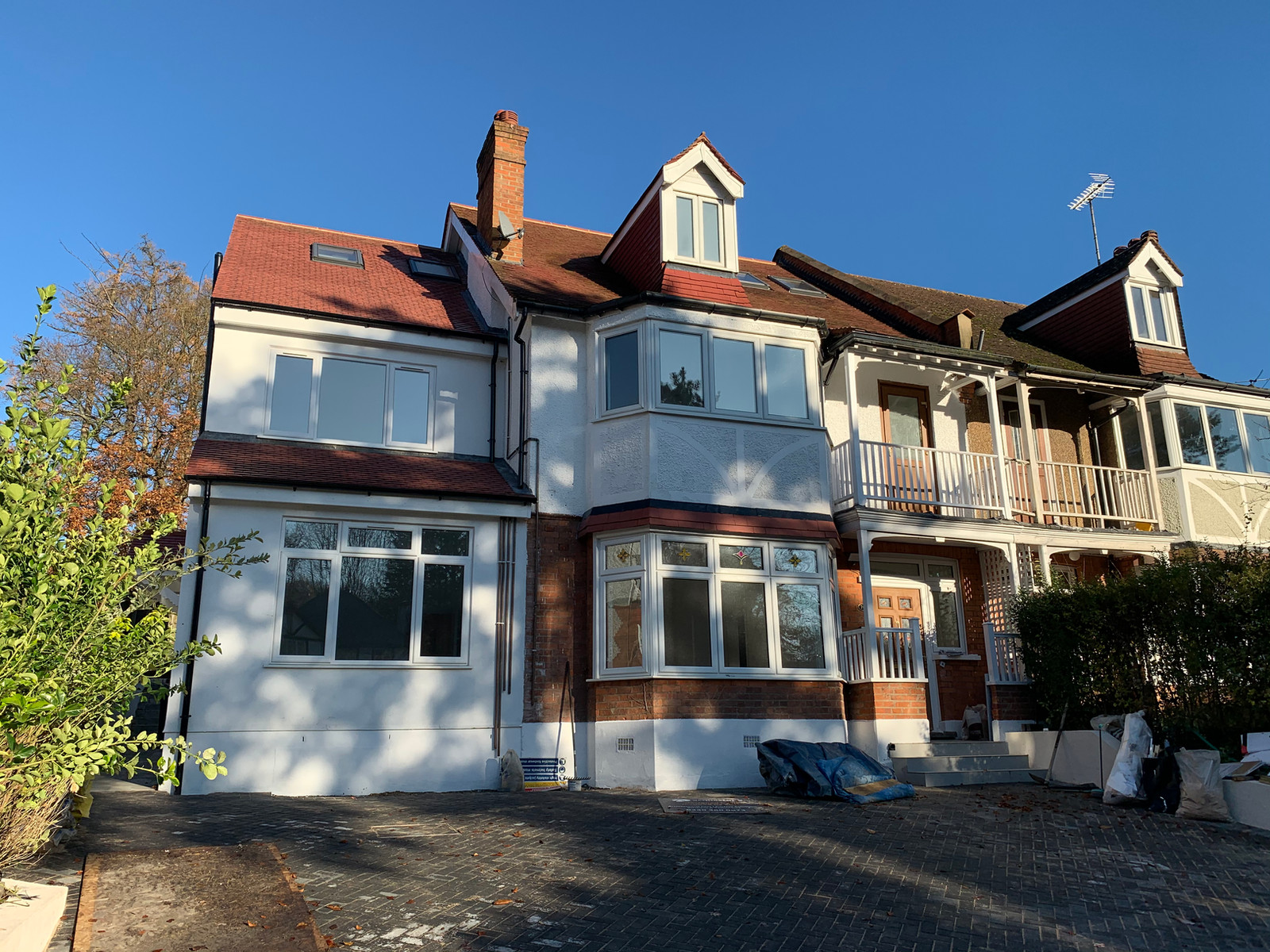
Planning a home extension, loft conversion or new development in London? National planning rules are only part of the picture. The documents your council expects, restrictions affecting your street and the time needed to validate an application can all influence how you prepare.
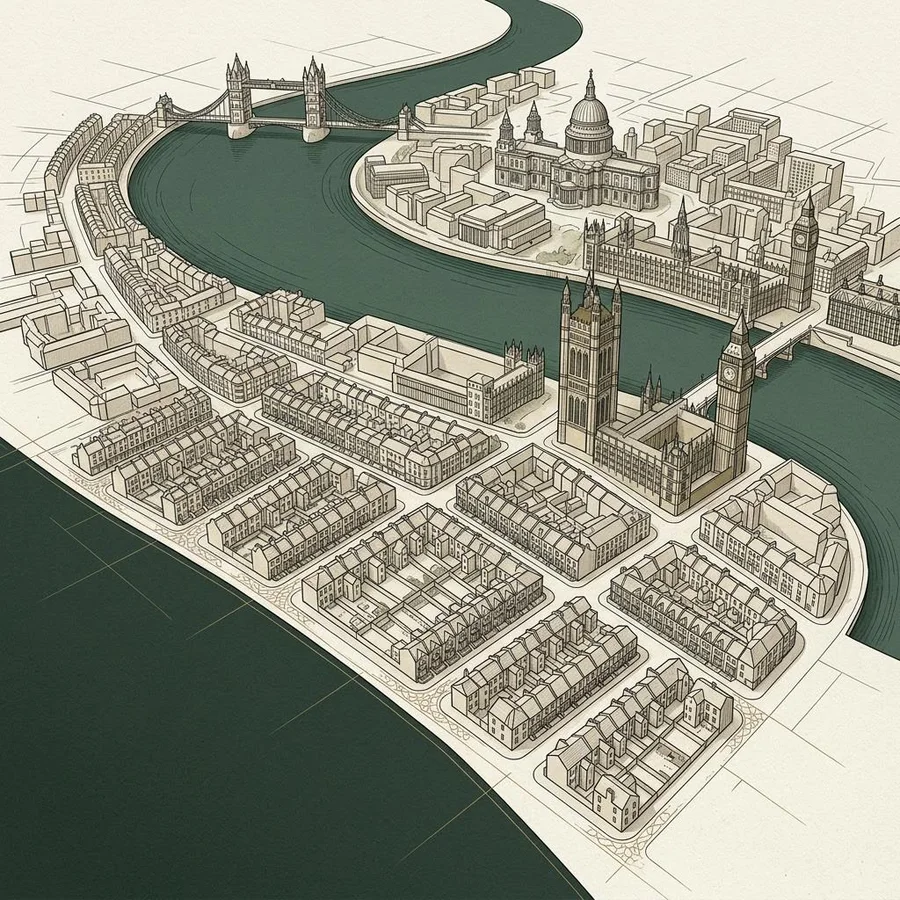
We have created a new collection of London borough planning guides to help you find that local context. The directory covers all 32 London boroughs plus the City of London, with a dedicated page for each and links to the sources behind the guidance.
Why a borough-specific guide matters
Two similar-looking houses can have different planning constraints. One may sit within an Article 4 direction, another may be listed, and another may have conditions attached to an earlier permission. Meanwhile, councils publish their own local validation requirements alongside national requirements. Starting with the relevant local information helps you identify questions before commissioning drawings or fixing a construction programme.
Our guides are a starting point for that research—not a substitute for checking your address, planning history and proposed works. They bring useful council information together so you can have a better-informed conversation with your architect and planning team.
What you will find in each guide
1. Validation requirements and local submission details
Validation is the check that an application contains the information needed to assess it. It is not planning approval. Missing drawings, forms or supporting reports can delay the start of the decision period, so getting the submission right matters.
The guides highlight practical details from council sources. For example, the Barnet planning guide covers drawing and electronic submission requirements, while the Bromley guide highlights the council’s site-photo requirements. Each links back to the relevant application guidance so you can check the current checklist for your proposal.
2. Decision targets, without misleading promises
A statutory target is not the same as a council’s average processing time. The usual determination periods in England are eight weeks for non-major applications, thirteen weeks for major development and sixteen weeks where environmental impact assessment is required, unless a different period is agreed. Specialist application routes can have different deadlines.
Our guides distinguish these targets from published council validation notices and service aims. Where we have not verified a current borough-specific average, we say so. Allow time for validation before the decision period begins, and remember that amendments, committee referral or an agreed extension of time can lengthen the overall programme.
3. Article 4 directions and the rights they affect
An Article 4 direction removes specified permitted development rights within a defined area or for particular properties. It does not automatically prohibit development: it can mean that a planning application is needed for work or a change of use that would otherwise benefit from those rights.
Different directions cover different things. Some relate to changes from houses to small HMOs or commercial premises to homes; others protect particular external features. The Redbridge guide, for example, discusses the Aldersbrook and Lake House Conservation Area direction. A conservation area is not automatically an Article 4 area, and a restriction on a change of use does not necessarily restrict a home extension.
The guides cover selected directions rather than offering an exhaustive property search. Always check the current map, legal schedule, effective date and any later modifications with the responsible planning authority.
4. Local projects with clear attribution
Local examples help make planning and design issues more tangible. Where there is an appropriate Shorplans portfolio project, we identify it as our work—for example, the basement and rear-extension scheme featured in the Hammersmith and Fulham guide.
Other guides use clearly labelled public examples from published sources. These are not presented as Shorplans projects. Larger regeneration schemes can illustrate issues such as heritage, sustainability or community facilities, but they are not direct precedents for a householder extension. An example elsewhere does not establish that your proposal will receive permission.
How to use the guides for your project
- 1Find your borough in the directory. You can search by name or filter by area of London.
- 2Read the validation section and follow the council link to the checklist for your application type.
- 3Check whether the Article 4 information raises an address-specific question. Confirm conservation status, listed-building status and planning history separately.
- 4Use the timescale section to plan the application process—not to promise a start date for building work.
- 5Discuss the findings with your architect before finalising the design and supporting documents.
Find your borough and take the next step
Planning information changes, and the guides display a source-check date to help you understand when the research was carried out. Always return to the council’s current guidance before submitting an application, particularly for time-sensitive requirements or restrictions.
Explore all borough planning guides to get started. If you would like help turning the local requirements into a practical design and application strategy, book a consultation with Shorplans to discuss your property and plans.
Thinking about starting a project?
Speak to our RIBA Chartered team today and book a free, no-obligation quotation.
Get A Free Quote